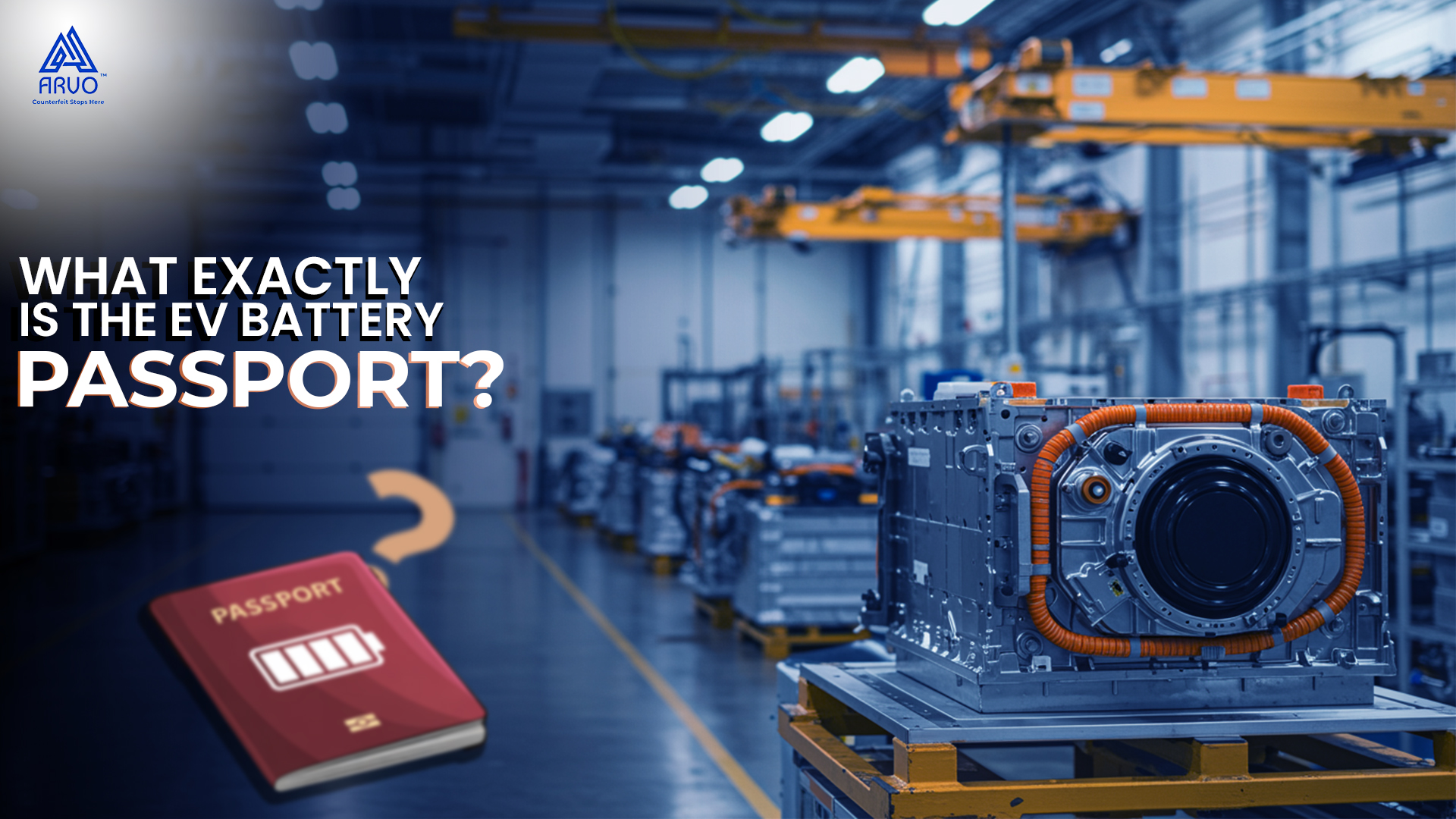
EV Battery Passport is becoming a cornerstone of the electric mobility revolution. Electric vehicles are no longer a niche alternative, they represent the future of sustainable transportation. Governments are tightening regulations, consumers are demanding greener choices, and automakers are racing to adapt.
The challenge lies in the battery. EV batteries are complex, high-value assets that cannot simply be discarded or recycled like everyday materials. Ensuring that they are built responsibly, used efficiently, and retired safely is a systemic problem for the industry.
That is where the EV Battery Passport comes in. Beginning in 2027, the European Union will require every EV battery above 2 kWh to carry one. Think of it as a digital identity that follows the battery throughout its entire lifecycle, capturing what materials went into it, how it performed in the field, and what happens at end of life.
For automakers, this is far more than regulatory paperwork. It is an opportunity to demonstrate leadership in sustainability, increase transparency across the value chain, and unlock new business models in reuse, second-life applications, and recycling.
What Is the EV Battery Passport?
At its simplest, the passport is a digital record. It shows the whole li ion battery life cycle.
It covers what is inside the battery: lithium, cobalt, nickel, and recycled content. It logs where and when it was made and records the carbon footprint. It follows the performance of the battery, tracking charging history, efficiency, and the life of lithium batteries. And when the first use is over, it shows the next stage. That could be recycling, or a second life as an energy storage battery system, an energy storage device, or another energy storage solution.
Instead of mystery, automakers get visibility.
Why Automakers Should Care?
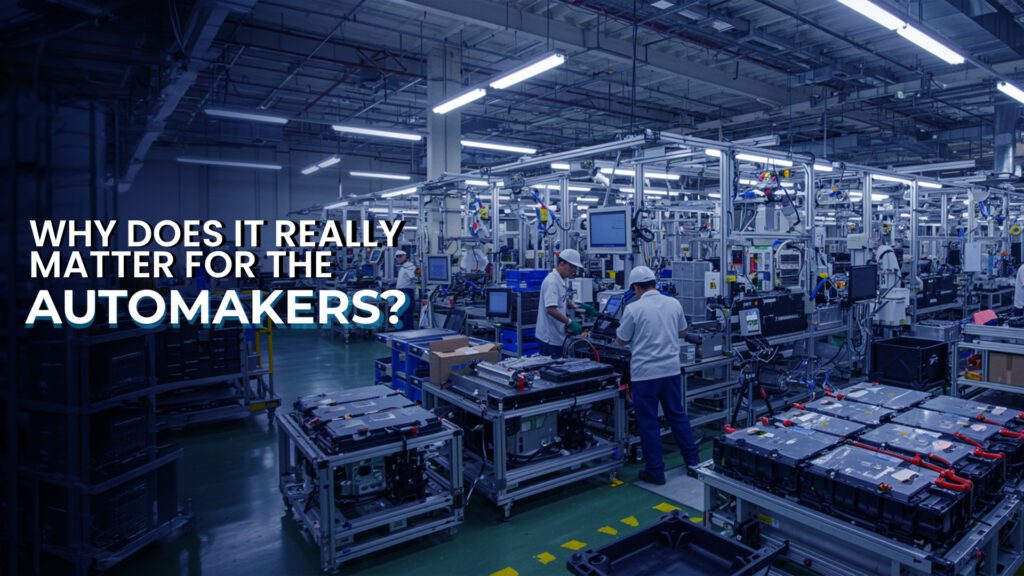
Compliance is the first reason. The EU regulation is clear. By 2027, no passport means no sales.
The second reason is supply chain clarity. People want proof that materials like cobalt are sourced responsibly. A passport makes that proof easy to share.
The third reason is trust. Fleet buyers, regulators, and investors want verified data. The passport gives them exactly that.
And finally, new business opportunities. A battery does not need to stop working when the car does. With proper tracking, a lifetime battery can move into energy storage for homes, businesses, or even city grids.
The Roadblocks Ahead
The shift will not be smooth. Automakers have to collect accurate data from suppliers all over the world. They need to stay up to date with EU reporting standards. They must set up secure digital tools to track data. And they have to manage all of this without making EVs unaffordable.
It is challenging, but not impossible.
How Manufacturers Can Get Ready?

Start by mapping your supply chain. Figure out who is ready and who is not.
Then invest in digital tools. Blockchain, IoT, and cloud platforms can capture and share electric vehicle battery specification and lifetime battery data securely.
Do not do everything alone. Work with experts such as ARVO who specialize in digital product passports and traceability.
And most importantly, think beyond compliance. Use the passport to show leadership in innovation and sustainability.
Conclusion
The clock is ticking. By 2027, the EV Battery Passport will be mandatory in Europe. Automakers that prepare now will not only meet the deadline, they will set the pace for the industry.
The passport is more than a regulation. It is a way to earn trust, drive innovation, and extend the li ion battery life cycle. The companies that act now will lead the future of clean mobility.
What To Do Next?
The EV Battery Passport is coming fast but ARVO can help you design and implement one for your products, tailored to EU standards.
Partner with us now and turn compliance into a competitive advantage.

FAQ
What is the EV Battery Passport?
It is a digital record that tracks a battery from start to finish. It covers raw materials, production, daily use, recycling, and second life as an energy storage device or energy storage solution.
When do EV battery passports become mandatory?
In Europe, the requirement begins in 2027. All new EV batteries larger than 2 kWh must carry one.
In India, NITI Aayog and other ministries are creating a QR code based framework. The rollout will begin with two-wheelers, then expand to three-wheelers and cars. There is no deadline yet, but the aim is clear: safer batteries, greater supply chain transparency, and stronger exports.
What kind of data does it include?
The passport contains electric vehicle battery specifications such as composition (lithium, cobalt, nickel, recycled content), factory information, production date, carbon footprint, charging history, lithium battery life cycles, and recycling potential.